Floral
Ripe Apricots
Tangerine
Black Tea

Ethiopia Gotiti – Heirloom | Future Classic No. 22

Lorem ipsum dolor sit amet, consectetur adipiscing elit. Ut elit tellus, luctus nec ullamcorper mattis, pulvinar dapibus leo.

lei 70,00 inc. TVA

Ethiopia Heirloom Washed
Floral
Ripe Apricots
Tangerine
Black Tea

Ethiopia Gotiti – Heirloom | Future Classic No. 22

Bright, complex, clean.

De ce o iubim:
This is the kind of Ethiopian coffee that reminds us why we keep coming back to the origin. It captures everything we look for in a classic washed profile: clarity, elegance, and remarkable complexity. When a cup like this appears on the table, it immediately demands attention—and earns its place in the lineup.

REGIUNE

Gedeb

PRODUCATOR/FERMA

Gotiti

ALTITUDINE

2150 - 2200 m

VARIETAL

Heirloom

PROCESARE

Washed

lei 70,00 inc. TVA

Povestea din spatele boabelor

For decades, Ethiopian coffees sold around the world under a single, catch-all name: “heirloom.” It became a convenient way to describe the country’s extraordinary genetic diversity — thousands of unique coffee varieties growing across forests, farms, and mountains. But heirloom isn’t actually a variety. The term refers to Ethiopia’s indigenous coffee populations, many of which have evolved naturally over centuries in different regions and microclimates. Because Ethiopia is the birthplace of Arabica coffee, many of these varieties remain uncataloged and unnamed, passed down through generations of farmers rather than formal breeding programs. Today, when a producer moves beyond the label “heirloom” and identifies specific varieties, it reflects a deeper understanding of their coffee’s genetic heritage. But even when the exact names are unknown, heirloom remains a celebration of Ethiopia’s unmatched biodiversity — and a reminder that every cup carries a piece of coffee’s original home.


Gotiti

Ethiopian coffee production is profoundly influenced by the country's three main seasons. The Bega season (October-January) is the long dry period, crucial for coffee harvesting and processing. The Belg season (February-May) brings the first rains, essential for coffee flowering and early fruit development. The Krempt season (June-September) sees heavy rainstorms from the east, crucial for the later stages of coffee fruit development and ripening. By the end of September, the rains cease abruptly, allowing the coffee fruits to ripen, leading to a bustling harvest period by November.

Ephtah Specialty Coffee is dedicated to building sustainable and collaborative supply chains that benefit customers, farmers, and their communities. The company emphasizes promoting the role of women in the coffee industry, recognizing their pivotal role in driving social and economic change in Ethiopia. Ephtah ensures quality at every stage of the shipment process, focusing on providing the highest quality green coffee beans and maintaining satisfaction among all stakeholders in the supply chain.


 

Coffee Processing

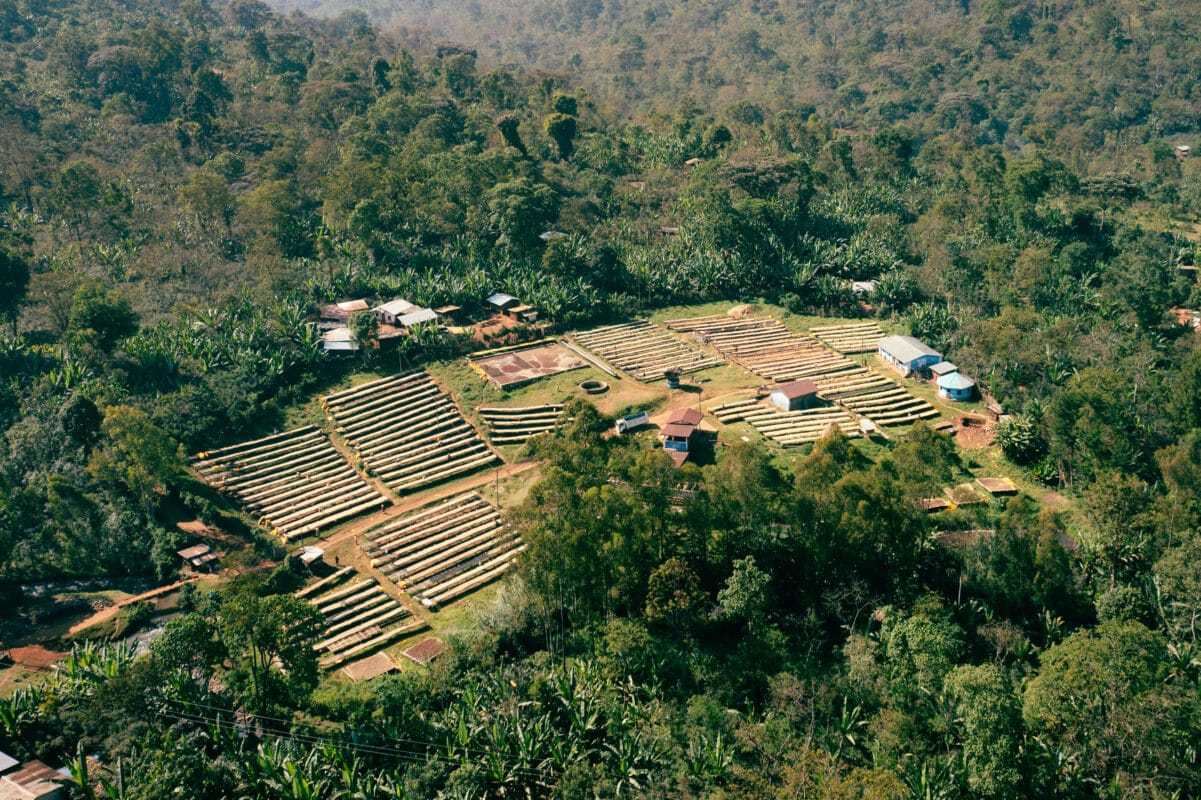
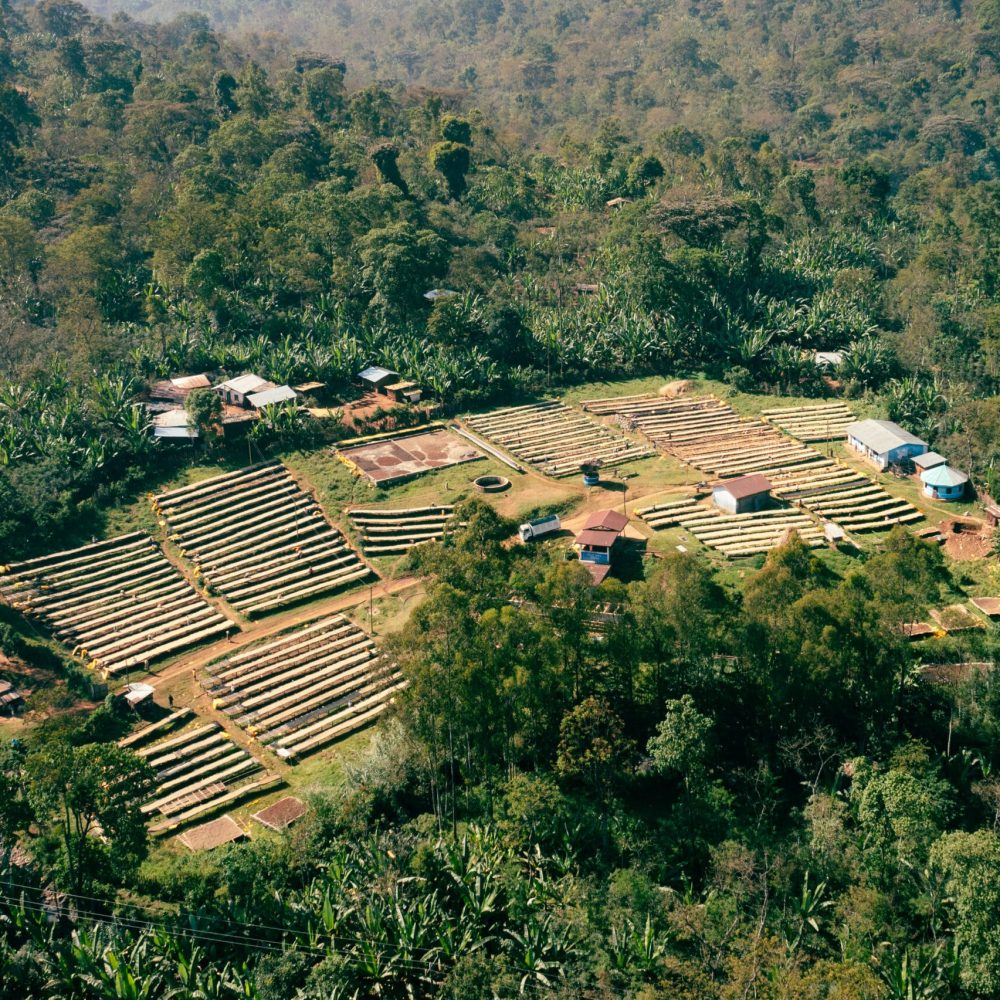
The Lalesa washing station is located in Gedeb, a region with a population of over 300,000 people. The area is predominantly Christian Protestant, with some Orthodox Christians, and the primary language spoken is Gedeoiniya. The community celebrates its main annual New Year festival on January 18th, and Enset (false banana) is the staple food. The Siqe river delineates the border between Gedeo, Guji, and the Southern regional state from Oromia.

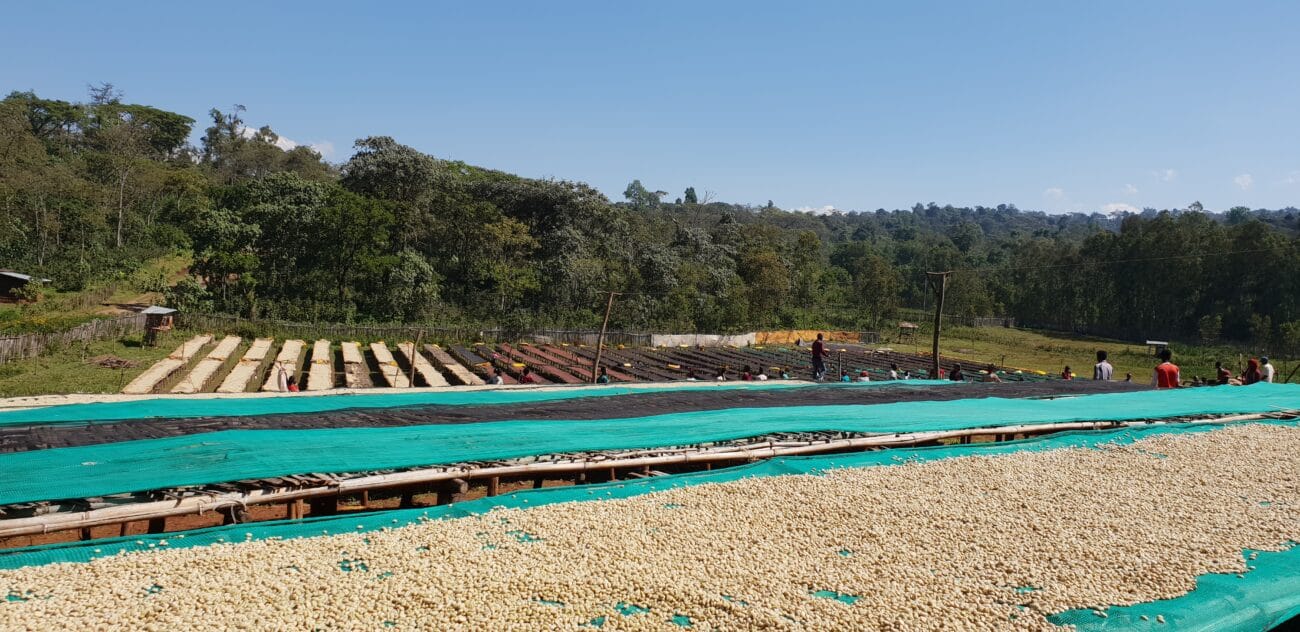
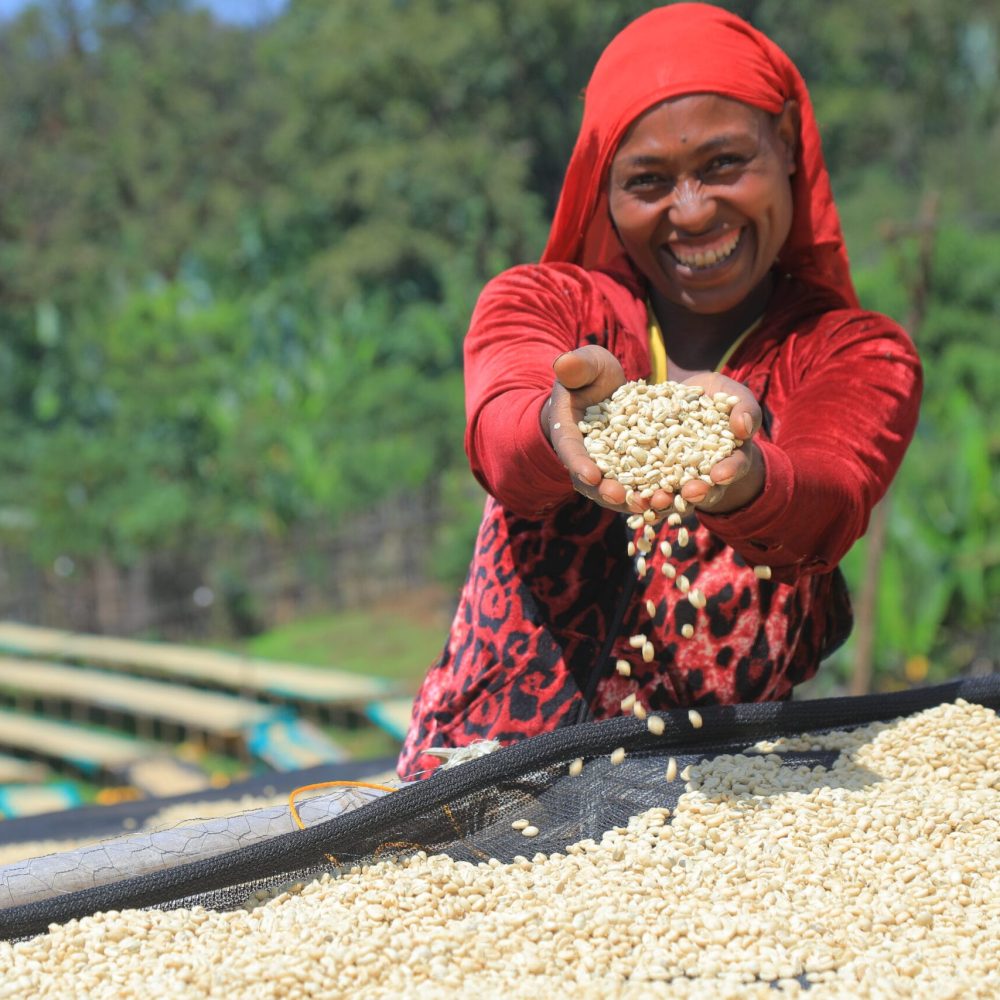
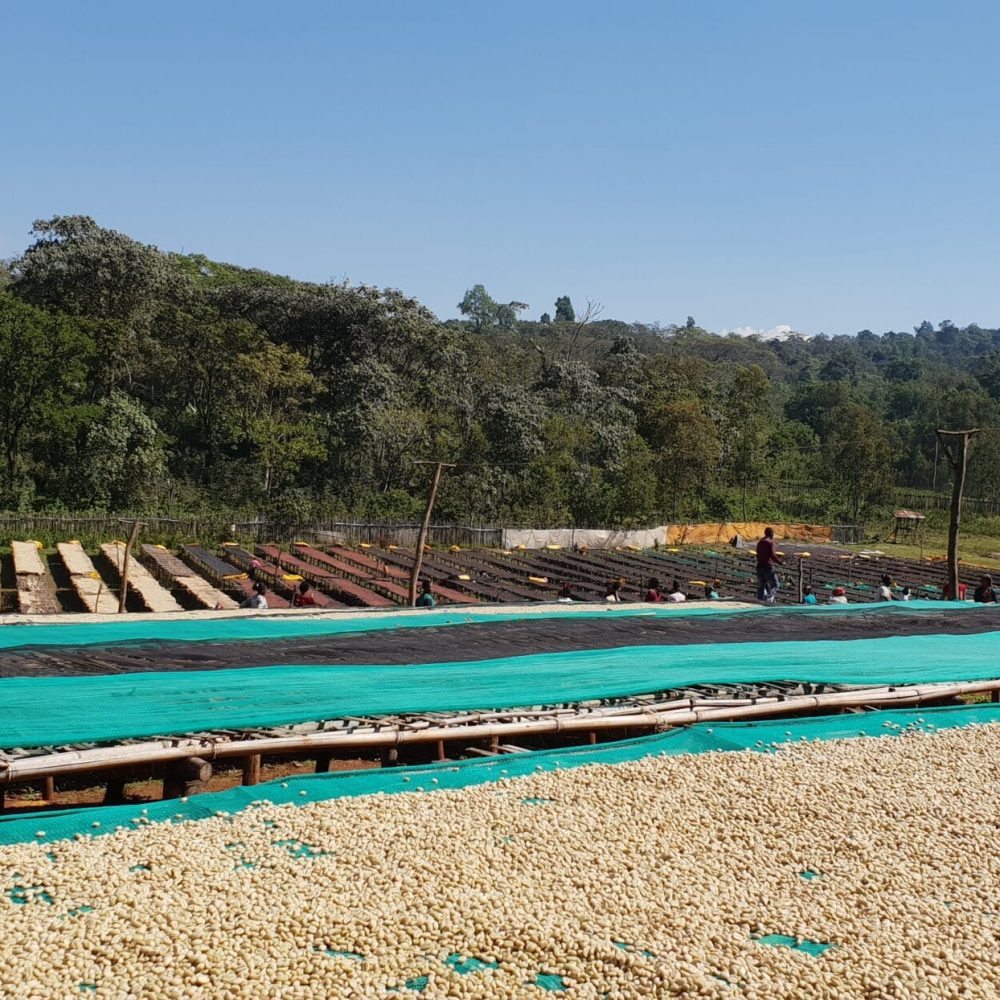
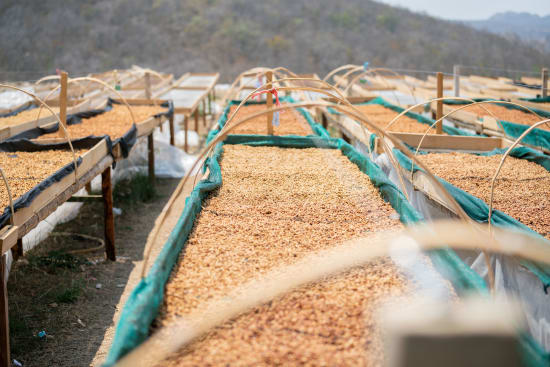
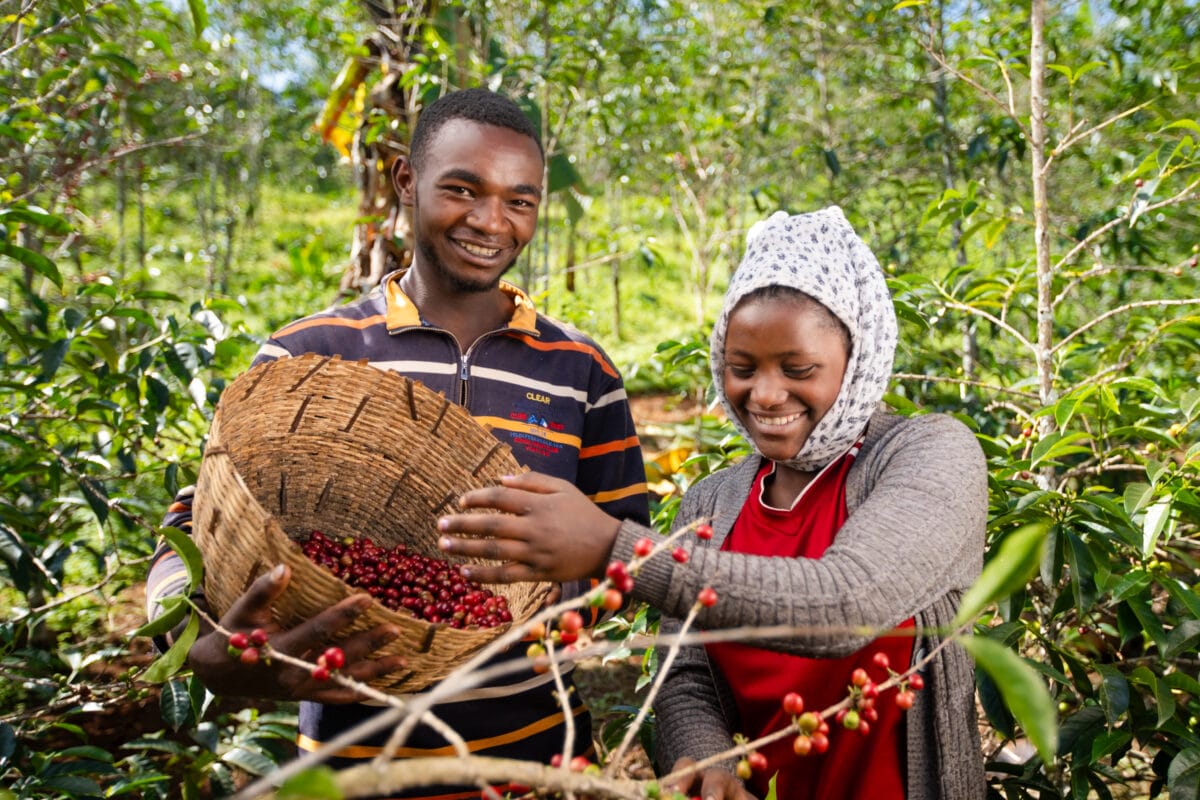
The coffee is naturally grown under shade trees, primarily Ensete (false banana tree). The best cherries are bought from nearby farmers. Coffee is initially floated to remove quakers, then placed on drying beds for 12-15 days. Green beans are handpicked by local women.

Lasă un review acestei cafele

0 reviews
0
0
0
0
0

Nu există recenzii până acum.

Fii primul care scrii o recenzie pentru „Ethiopia Gotiti – Heirloom | Future Classic No. 22”

Adresa ta de email nu va fi publicată. Câmpurile obligatorii sunt marcate cu *

SHOP CATEGORIES