White Flowers
Lime
Plums
Red Fruits

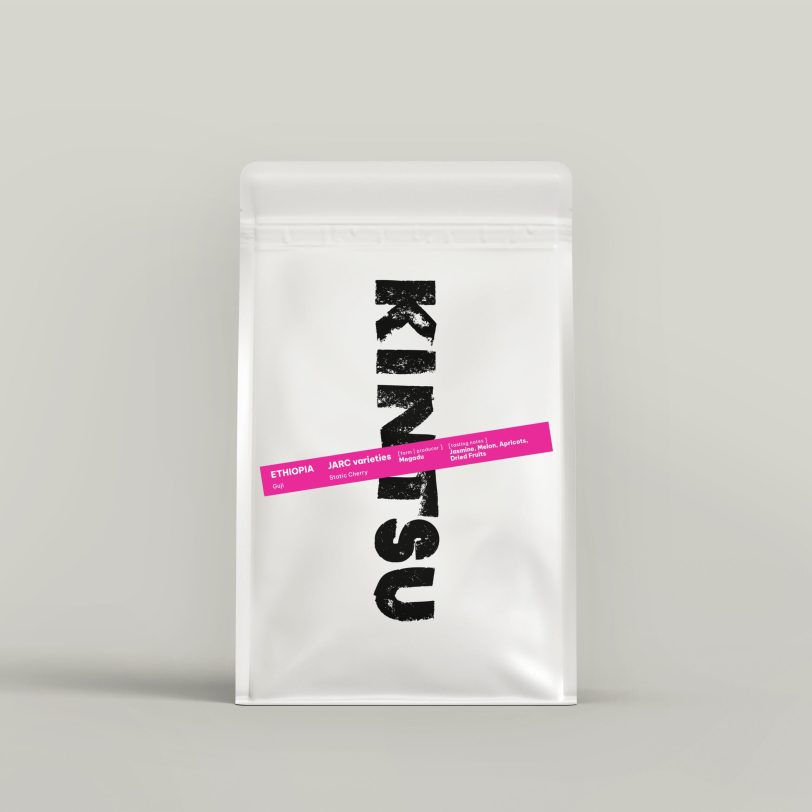
Ethiopia Taferi Kela – JARC varieties | Future Classic No. 08

Lorem ipsum dolor sit amet, consectetur adipiscing elit. Ut elit tellus, luctus nec ullamcorper mattis, pulvinar dapibus leo.

lei 70,00 inc. VAT

Ethiopian Speciality Coffee
White Flowers
Lime
Plums
Red Fruits

Ethiopia Taferi Kela – JARC varieties | Future Classic No. 08

Bright, delicate, clear.

Why we love it:
We love this kind of coffee because it’s somehow rare to find: a cup profile that harks back to how Ethiopian coffee used to taste in the old days—pure, elegant, and timeless.

REGION

Sidamo

PRODUCER / FARM

Taferi Kela

ALTITUDE

1900 - 2100 m

VARIETIES

JARC varieties (74112,74110, Enat Buna)

PROCESSING

Washed

lei 70,00 inc. VAT

the coffee, but for nerds

Back in the 1970s, Ethiopia faced a serious challenge: coffee berry disease was threatening crops across the country. To protect its coffee heritage, the Jimma Agricultural Research Center (JARC) began selecting and cataloging wild coffee trees that showed resistance and high yield potential.
That’s how varieties like 74110, 74112, and 74158 came to life.
The naming isn’t random:

  • “74” stands for the year 1974, when the variety was selected. The following digits (110, 112, 158) are simply the sequence numbers assigned to each unique selection.

These weren’t hybrids — they were local landrace selections, chosen for their resilience and flavor.

For example:

  • 74110 was selected from wild trees in Bishari, Oromia, and is known for its floral aroma, juicy acidity, and smooth finish.
  • 74158 thrives at high altitudes and delivers vibrant notes like blueberry jam and roselle.

Today, when a farmer separates and labels these varieties instead of calling them “heirloom,” it’s a sign of intentional farming, traceability, and pride. It means we know exactly what’s in the cup — and that’s something worth celebrating.


 

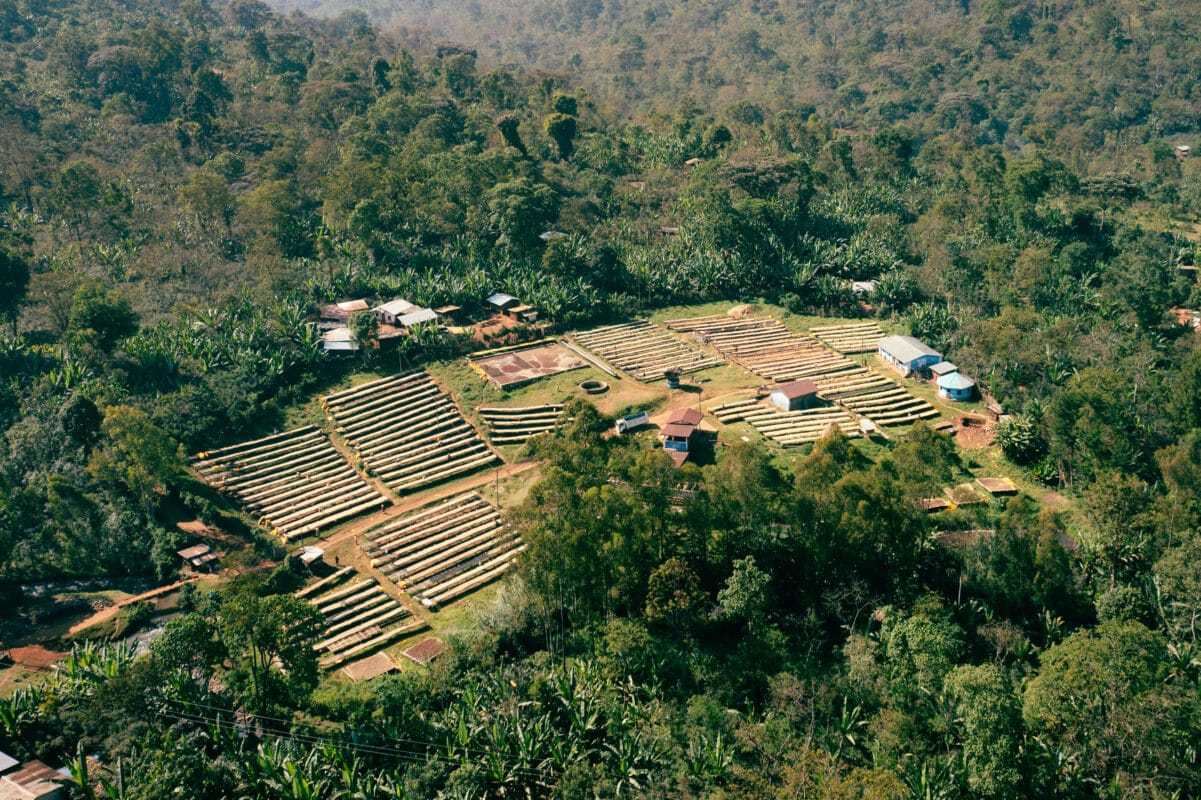
Taferi Kela - Lot 25.28

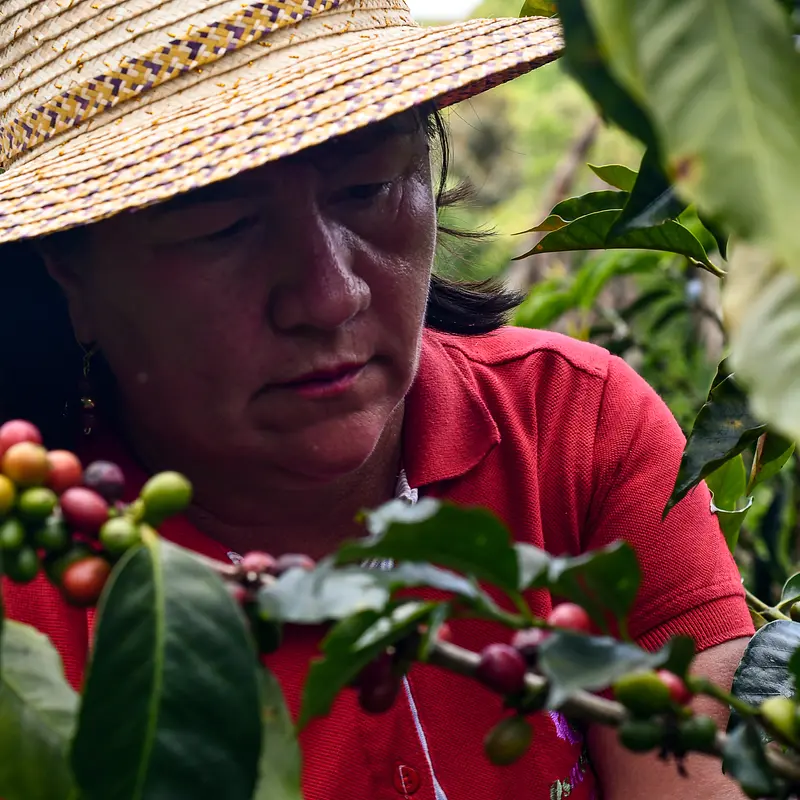
Coffee production in Ethiopia accounts for about a third of the country's GDP but more than 90 percent of people working in coffee don’t make a livable income. Bette Buna has set out to change that in their community. They teach their community farmers to improve their soil, grow back agro-forestry systems, and teach the importance of picking ripe cherries. Ripe cherries weigh more and produce better coffee, so the farmers get paid more by weight, and also receive a quality premium.

Perhaps most importantly, they distribute more than 350,000 healthy seedlings every year from their in-house nursery. These seedlings are climate-change adapted varietals, and on average the farmers who plant them make minimum $2 per year per seedling once the trees are grown. This means an economic impact in the area of more than $650,000 a year in a region where the average household income is less than $50 per month for an average family size of 9 people.
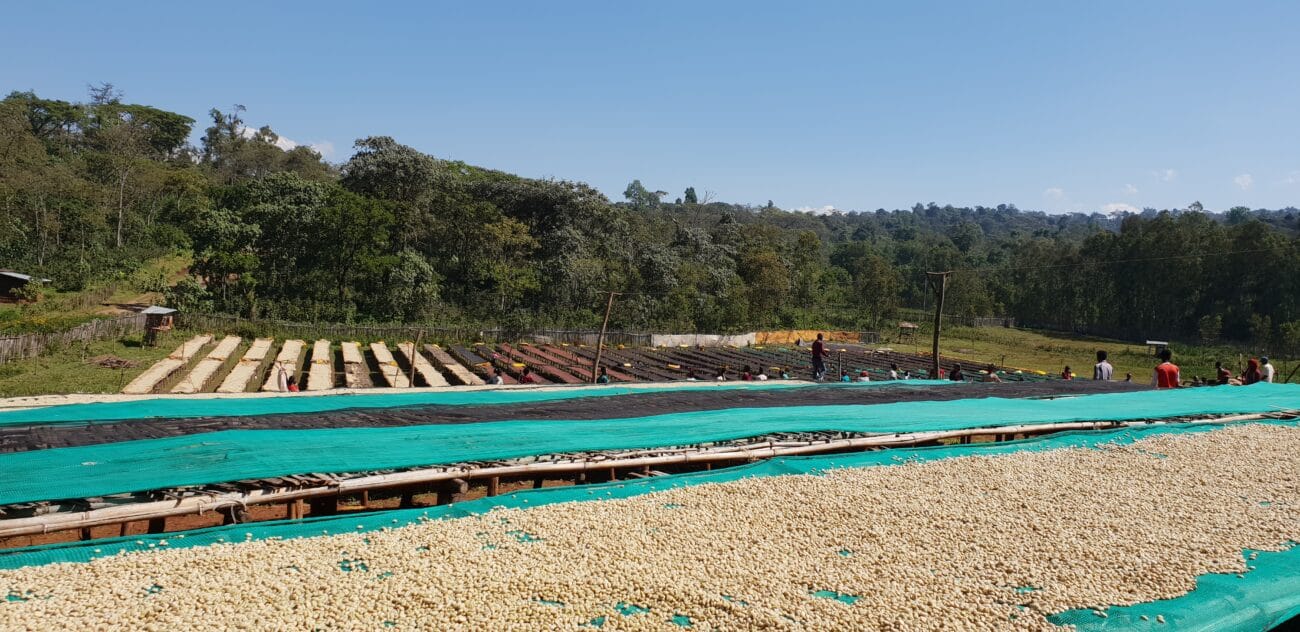
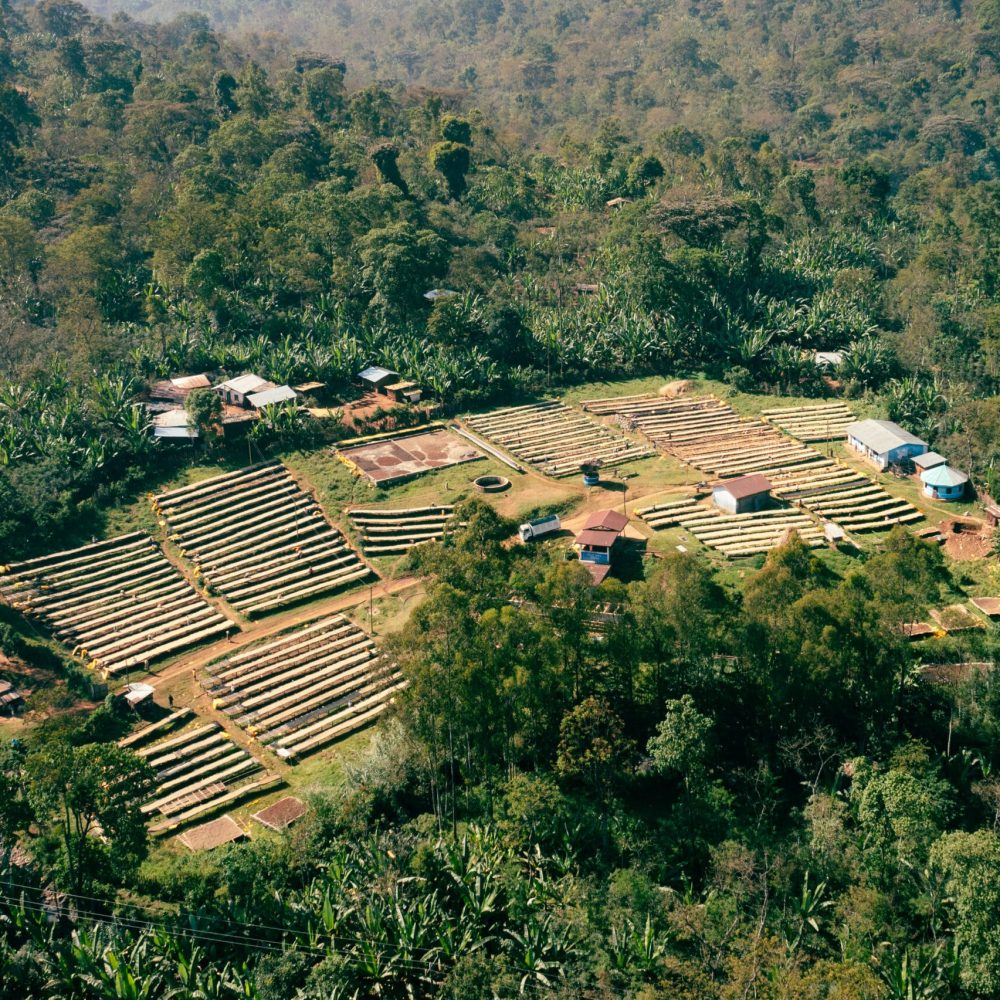
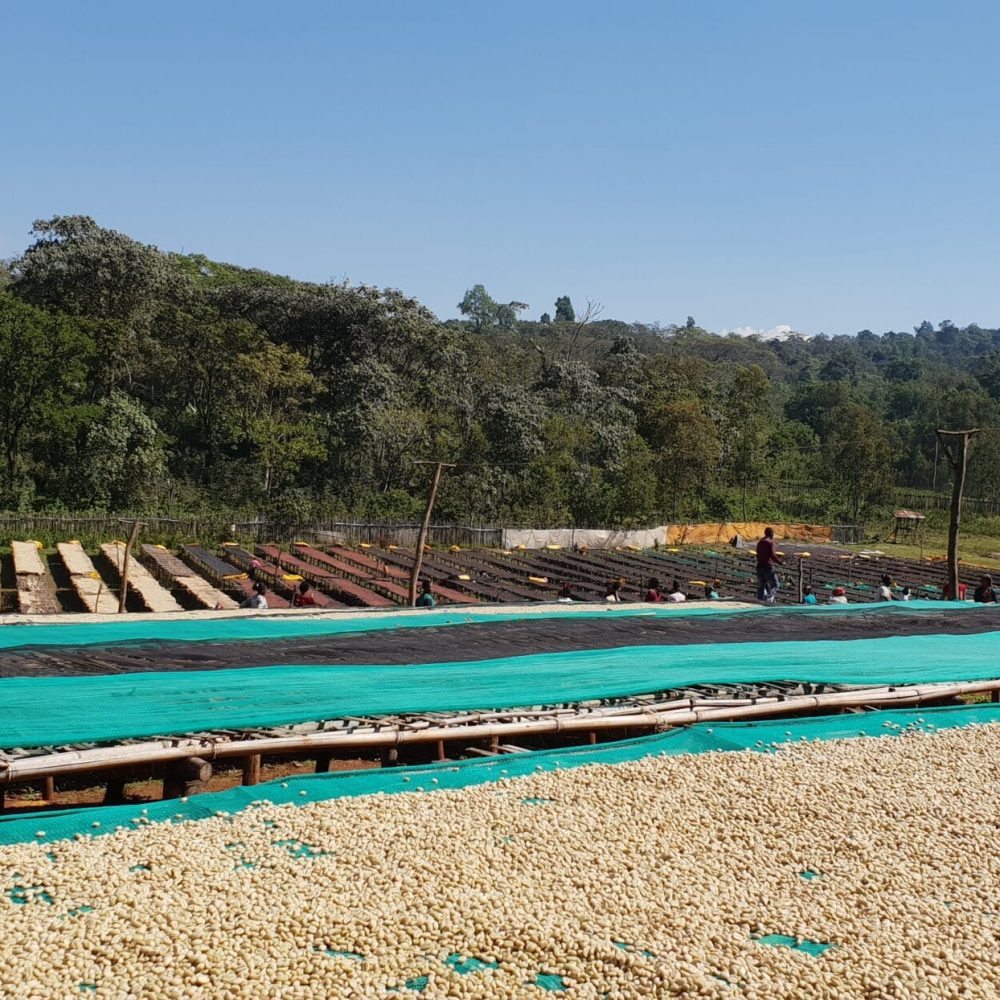
This particular lot was grown by community farmers in Taferi Kela and processed by Bette Buna at their washing station. It’s a classic washed Ethiopian coffee: First depulped, then fermented for 24-36 hrs depending on the temperature. Fermentation happens in concrete basins topped with water. It’s a low oxygen but not completely anaerobic environment. Next it was washed and floaters/defects removed. Then 8-15 days on raised, covered drying beds followed by rest time in the warehouse to stabilize the coffee and reach the correct moisture level. The different ‘lots’ are different processing runs that happened over the course of the season.


Bette Buna

Bette Buna literally translates to ‘House of Coffee’ and this company has been deeply rooted in the village ever since Grandfather Syoum and Grandmother Emame asked Dawit and Hester to take over their farm, but more importantly, their responsibility for building the community of Taferi Kela. Even though this village shares a mountain range with better-known Sidamina producers, it has been overlooked so far, and no other company or industry of any type works in this area.
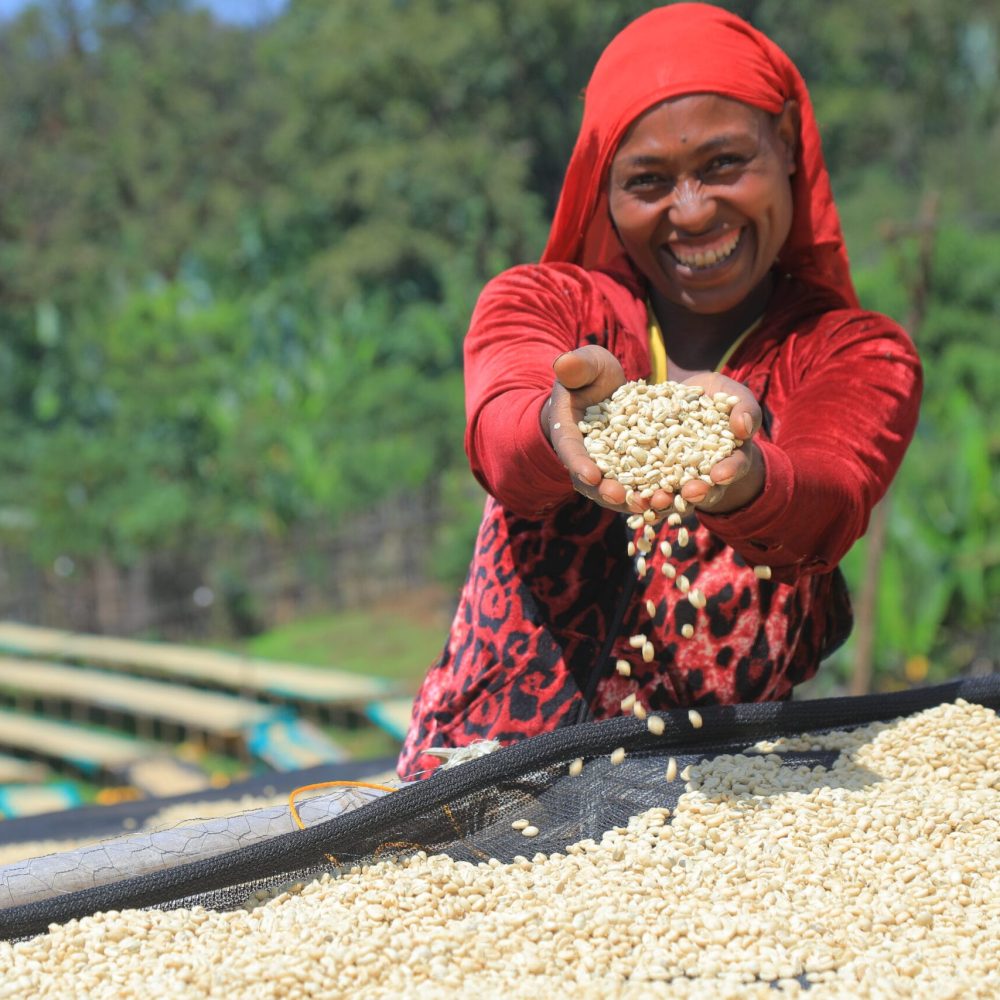
Bette Buna is an equal opportunity employer, which is rare in a culture that doesn't typically provide meaningful work for differently abled or disabled people. Their nursery employs people with disabilities (particularly deaf people), families of people with disabilities, as well as other largely disenfranchised groups such as single mothers who struggle to find work, and especially work that accommodates childcare for working mothers in an agrarian society.

With Bette Buna, the traceability is exceptional. Every lot specifically tracks and maps the people involved at each stage of production, from the people who picked the cherries to those who processed and milled the coffee. This level of transparency is almost unheard of in Ethiopia. Not only do we know we’re getting the same coffees we tasted pre shipment, but we also know that the people who did the work are getting fair wages — everyone involved is adding value and being valued. This transparency work has the additional benefit of meaning Bette Buna is prepped for EUDR compliance.

Leave a review

0 reviews
0
0
0
0
0

There are no reviews yet.

Be the first to review “Ethiopia Taferi Kela – JARC varieties | Future Classic No. 08”

Your email address will not be published. Required fields are marked *

SHOP CATEGORIES