Ethiopia Aricha Adorsi – JARC varieties | Future Classic No. 28
Lorem ipsum dolor sit amet, consectetur adipiscing elit. Ut elit tellus, luctus nec ullamcorper mattis, pulvinar dapibus leo.
lei 78,00 inc. VAT
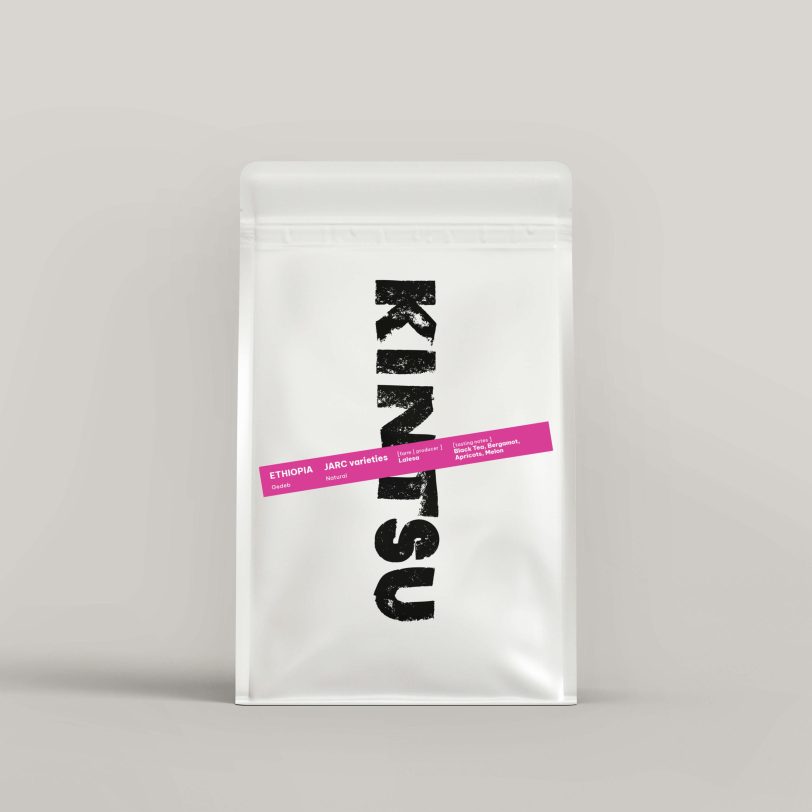
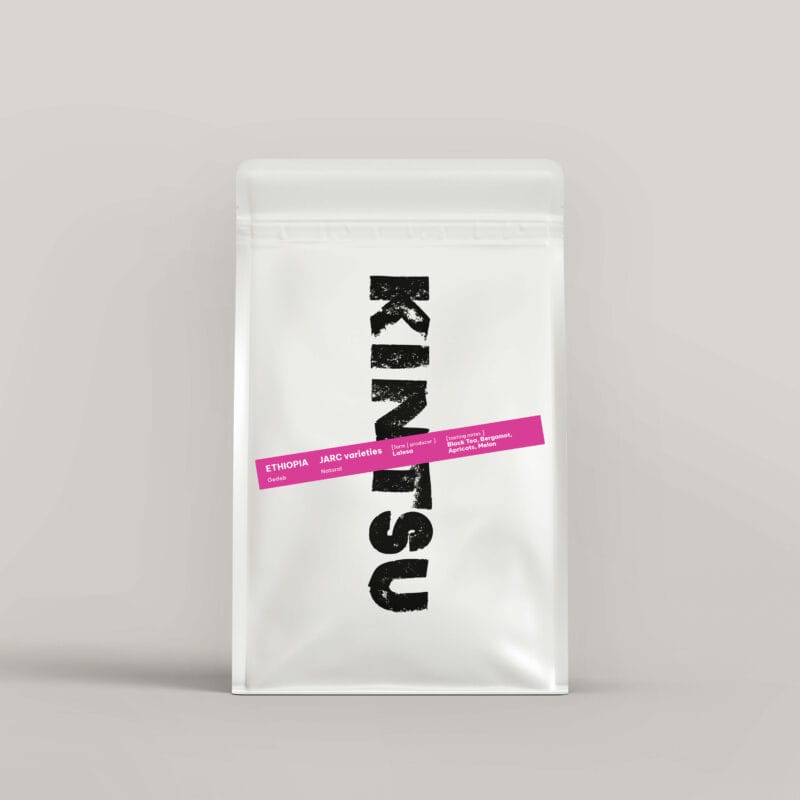
Ethiopia Aricha Adorsi – JARC varieties | Future Classic No. 28
Sweet, bold, and balanced.
Why we love it:
Because it’s what made us fall in love with specialty coffee in the first place. It’s a natural Ethiopia that hits all the right marks — florals, ripe fruit, sweetness, and just enough structure to keep it balanced.
|
REGION |
Yirgacheffe, Gedeo |
|---|---|
|
PRODUCER / FARM |
Aricha Adorsi |
|
ALTITUDE |
1900 - 2100 |
|
VARIETIES |
74112, 74110 |
|
PROCESSING |
Natural |
lei 78,00 inc. VAT
the coffee, but for nerds
Back in the 1970s, Ethiopia faced a serious challenge: coffee berry disease was threatening crops across the country. To protect its coffee heritage, the Jimma Agricultural Research Center (JARC) began selecting and cataloging wild coffee trees that showed resistance and high yield potential.
That’s how varieties like 74110, 74112, and 74158 came to life.
The naming isn’t random:
- “74” stands for the year 1974, when the variety was selected. The following digits (110, 112, 158) are simply the sequence numbers assigned to each unique selection.
These weren’t hybrids — they were local landrace selections, chosen for their resilience and flavor.
For example:
- 74110 was selected from wild trees in Bishari, Oromia, and is known for its floral aroma, juicy acidity, and smooth finish.
- 74158 thrives at high altitudes and delivers vibrant notes like blueberry jam and roselle.
Today, when a farmer separates and labels these varieties instead of calling them “heirloom,” it’s a sign of intentional farming, traceability, and pride. It means we know exactly what’s in the cup — and that’s something worth celebrating.


Aricha Adorsi Washing Station
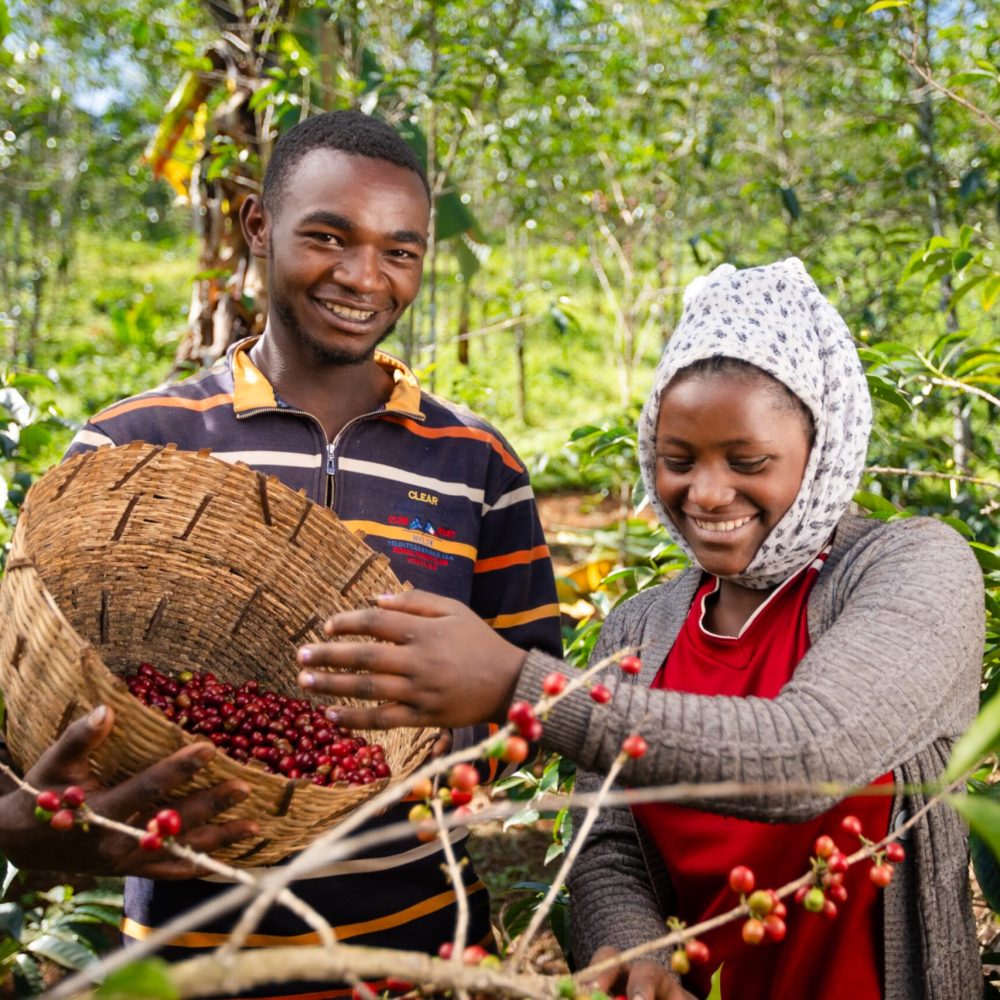
Testi Trading is a family-owned exporter in Ethiopia, founded in 2009 by Faysel Abdosh and focused on specialty coffee. They work at origin with selective harvesting, disciplined processing and close control of quality through the season.
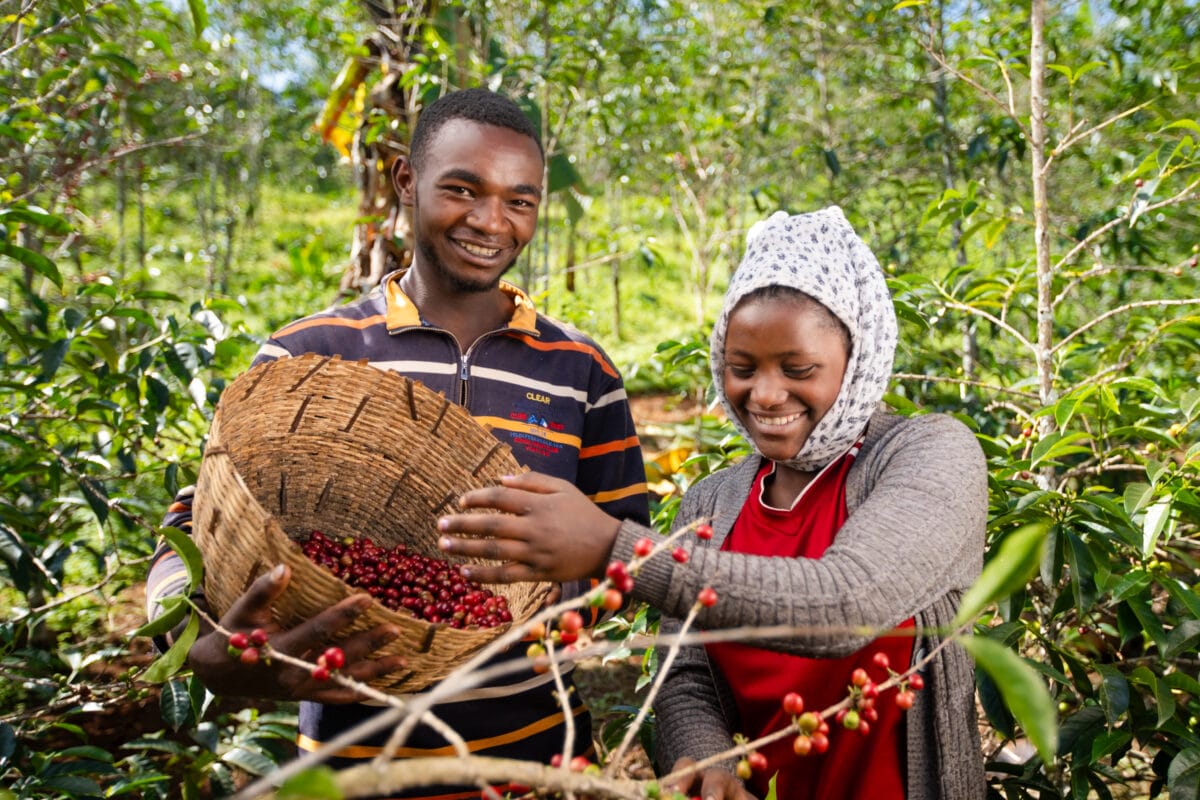
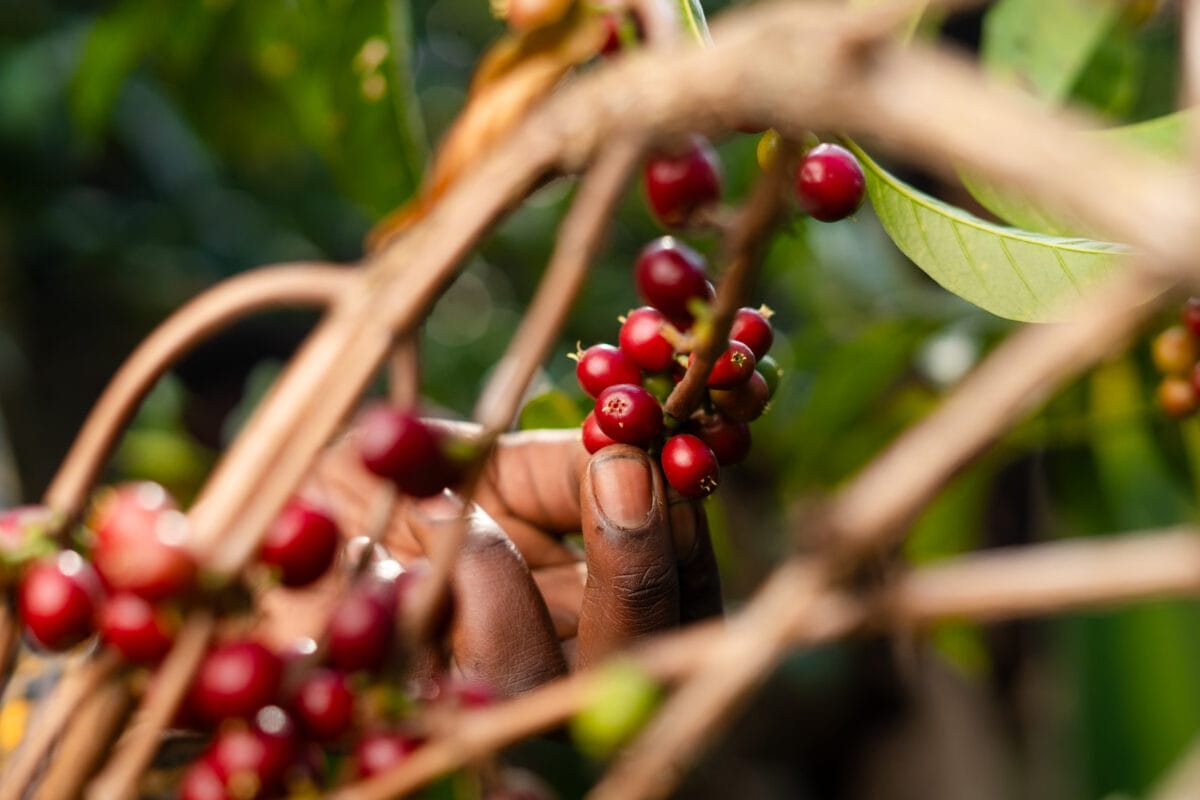
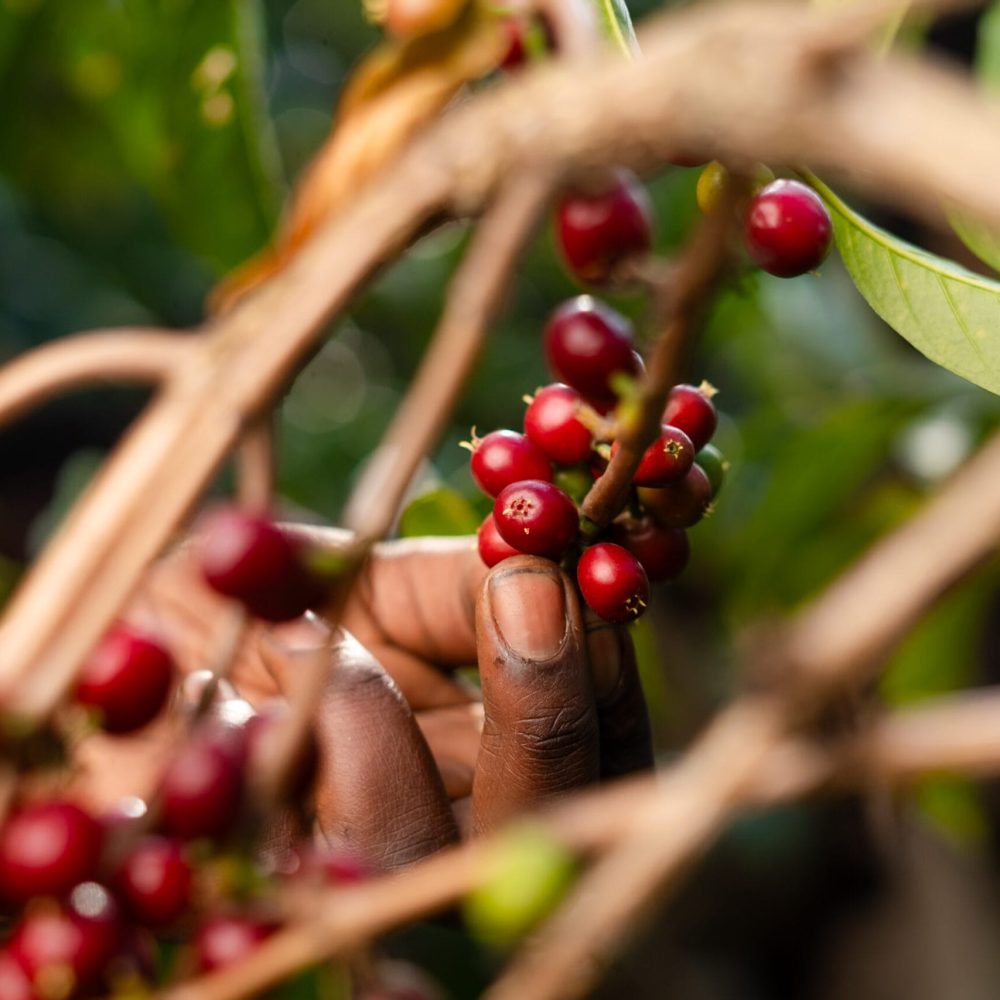
This lot comes from a pick that was mostly fully ripe cherry, with a smaller share of reddish underripes and a small portion of overripe fruit. After intake the cherries were floated to skim off low-density fruit, then the remaining cherries were soaked in clean water for 12 hours.

Coffee Processing
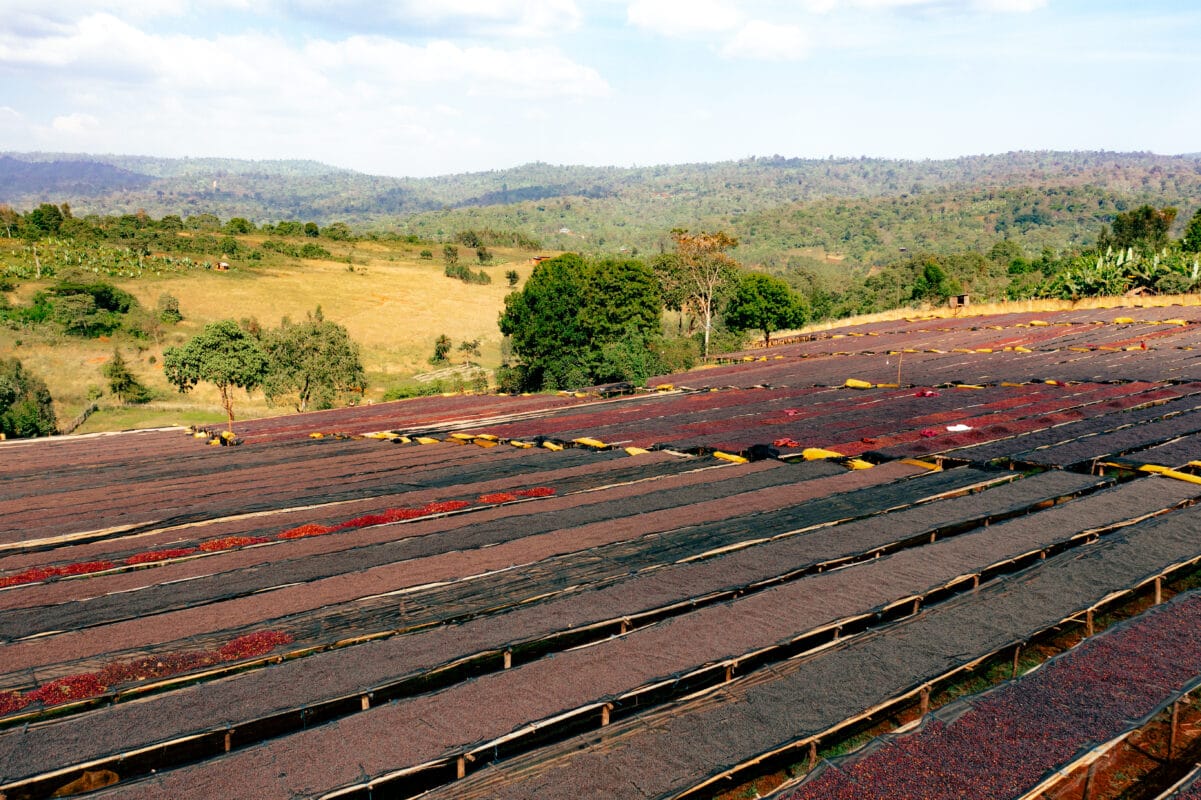
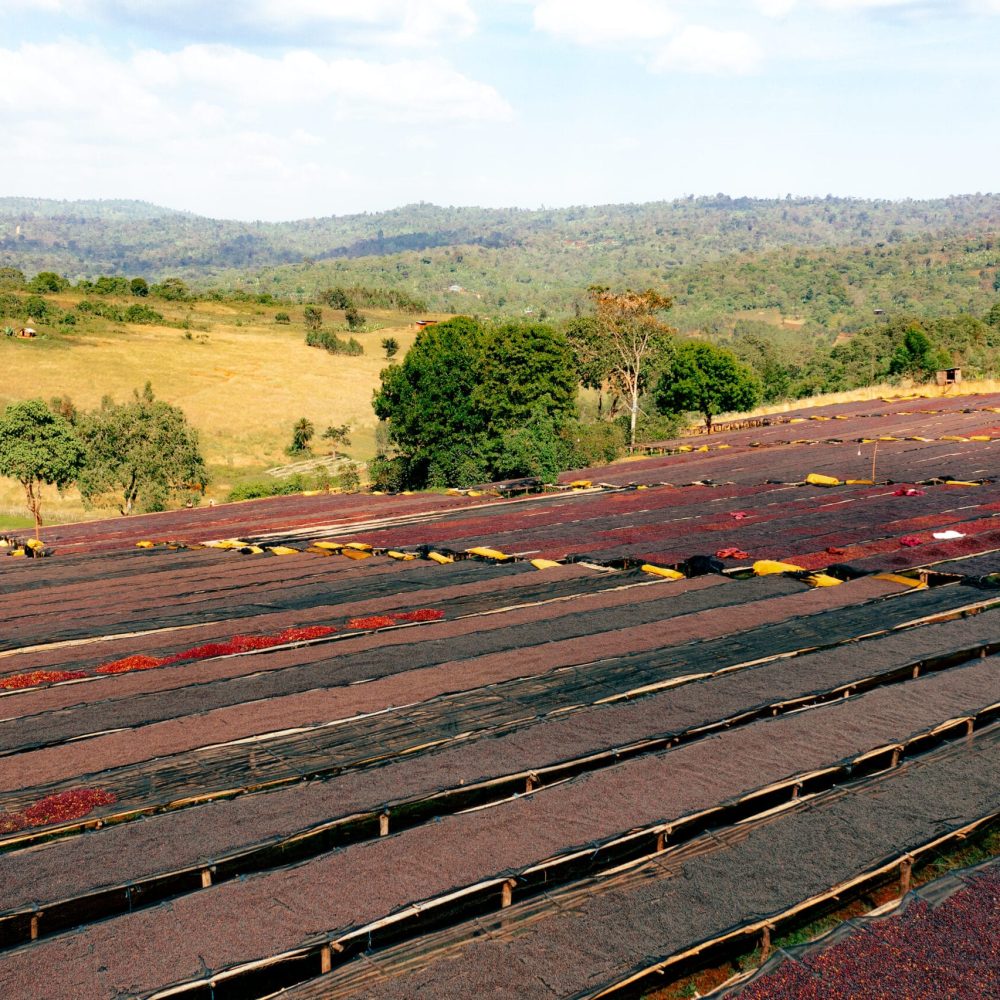
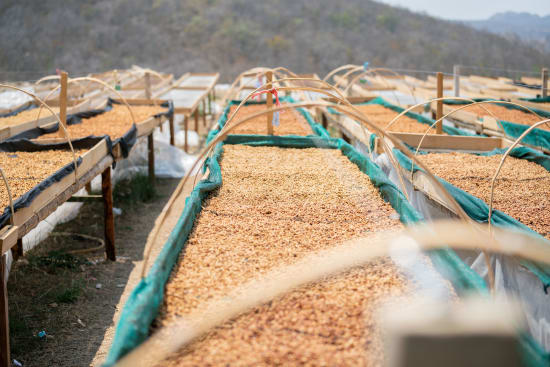
The coffee was then dried as whole cherry on raised beds. Each bed held around 25 kg in a layer of about 5 cm, positioned to catch plenty of airflow but limited direct sun, and drying ran for roughly 28 days.
The added soaking stage after flotation is used here to push sweetness and fruit intensity, giving a honey-like character in the cup alongside a clean, structured profile.


Related Products
In stock
In stock
In stock
Leave a review
SHOP CATEGORIES
Barista Tools
Reviews
Clear filtersThere are no reviews yet.