A story about brewing in the dark, and trusting the work behind it.
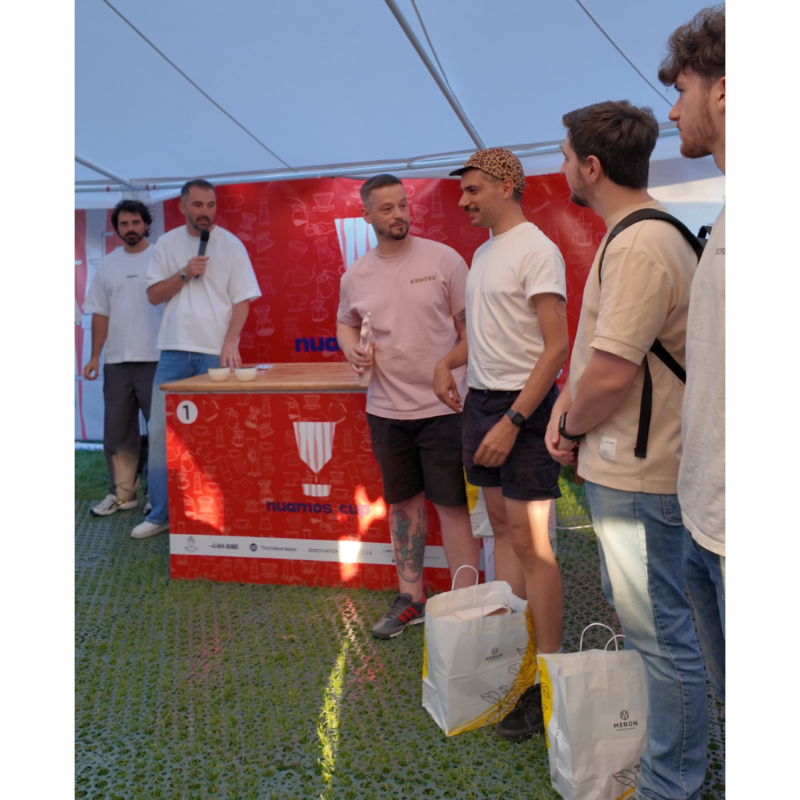
Last weekend (August 14th–16th), at The Coffee Village Festival, I stepped into the Nuamos Cup with a mix of curiosity, excitement, and a little bit of nervousness.
It’s a blind brewing competition — you receive a coffee you know nothing about, and you have to make the best of it. No origin, no processing method, no roast profile, no solubility clues. Just you, your tools, and seven minutes to figure things out.
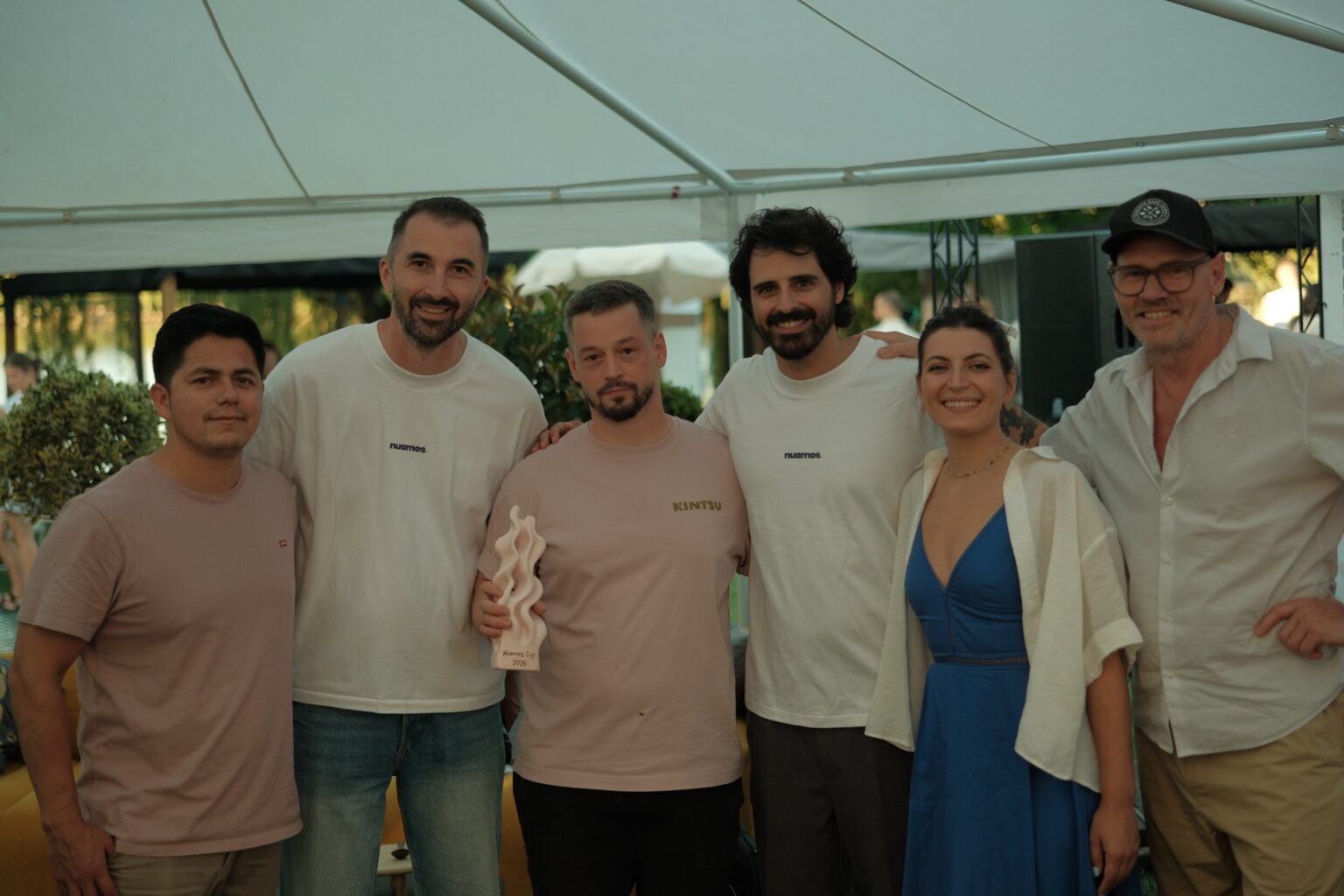
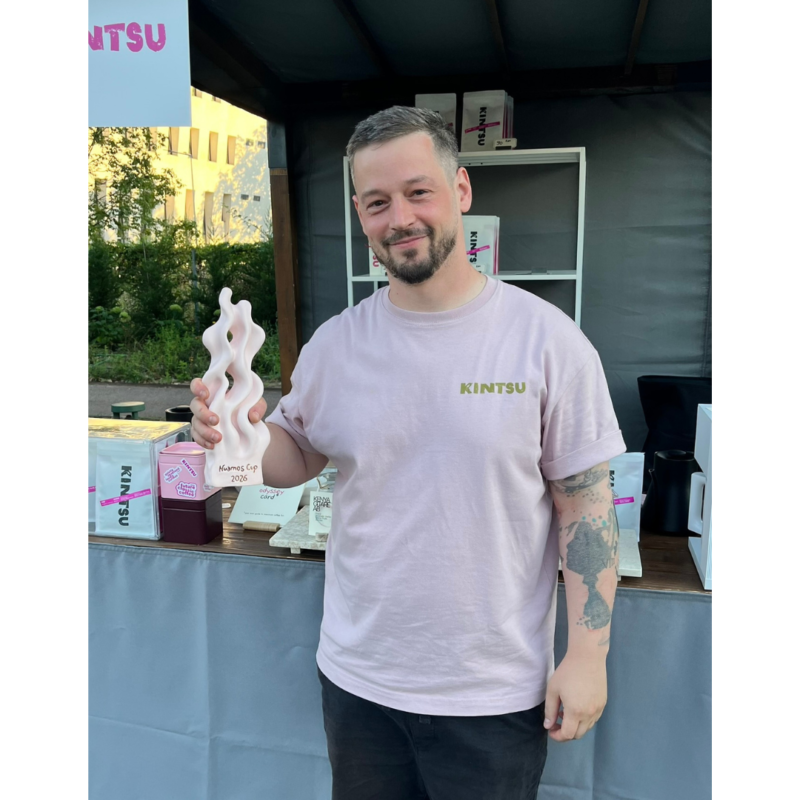
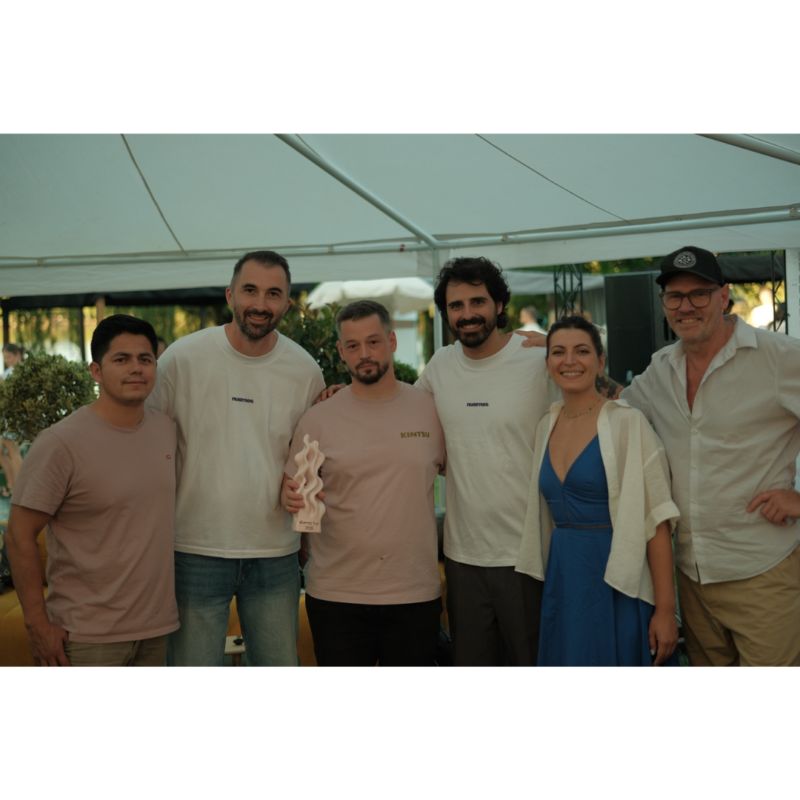
And somehow… I won.
But the more I think about it, the more I realise the win didn’t come from a magic recipe. It came from a question that followed me throughout the entire preparation:
How do you brew a coffee you know absolutely nothing about?
That question shaped everything.
It Started With Water
Before touching brewers, grinders, or recipes, I went back to something that has become a quiet pillar of our work at Kintsu: water.
When we started attending festivals, we built our own mineral concentrate — a water profile that supports our roasting style and lets terroir speak clearly. Not a water that “fixes” coffees, but one that gives them space.
For the competition, I wanted the same thing: a mineral profile broad enough to work across origins, processes, and roast styles. Not a water that makes one coffee taste incredible, but a water that gives me a stable starting point, no matter what ends up in the brewer.
That became the foundation of my entire system.
Choosing the Hario Switch
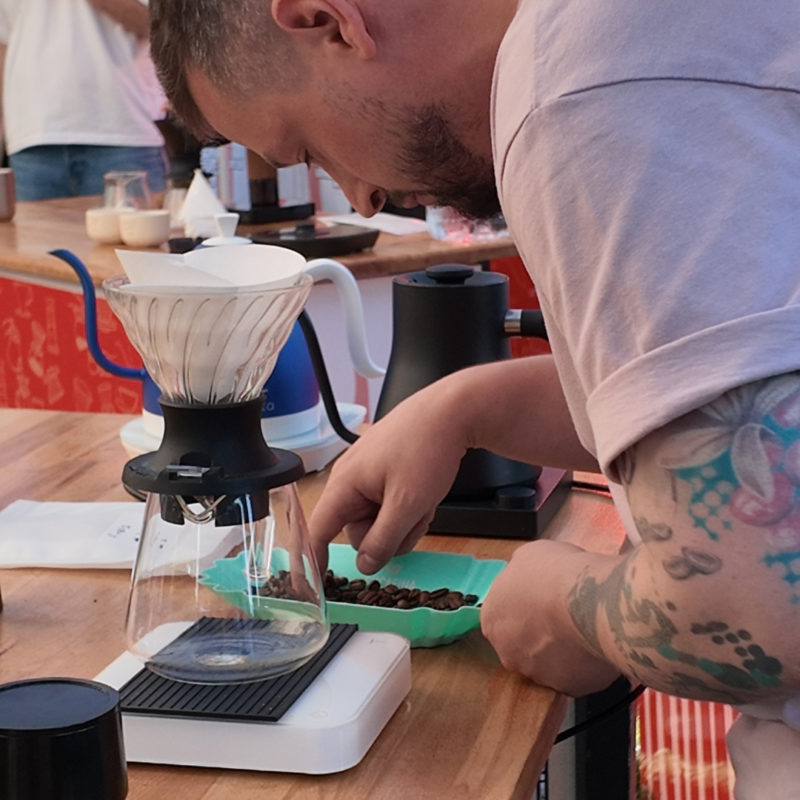
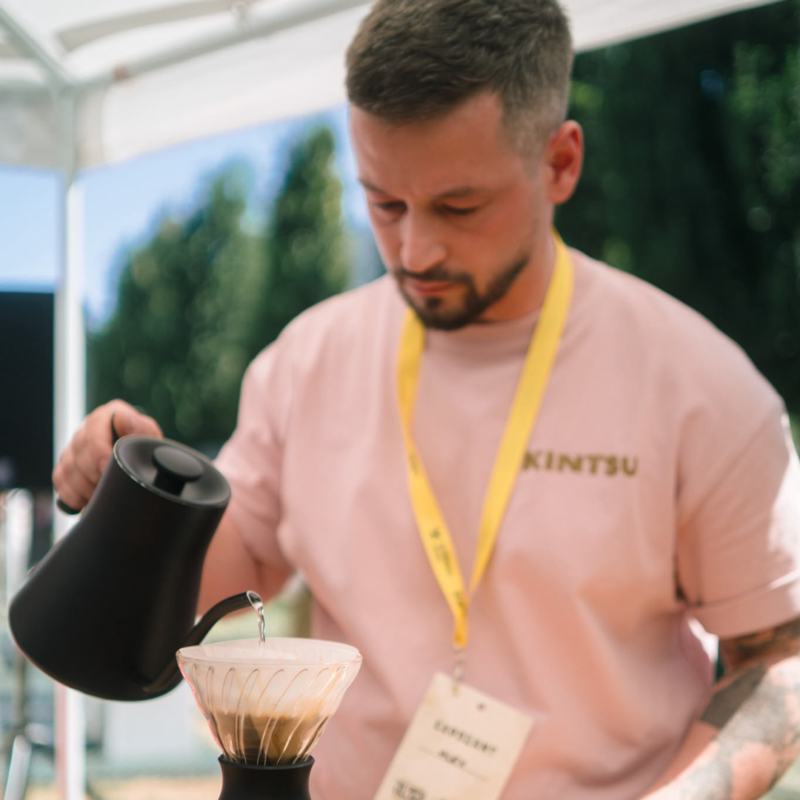
I picked the Hario Switch for one reason: control.
Immersion + percolation.
Forgiveness + precision.
Flexibility + repeatability.
I didn’t know what coffee I’d receive. And with modern processing blurring the lines between origin, variety, and flavour, I needed a brewer that adapts to the coffee — not one that forces the coffee into a fixed method.
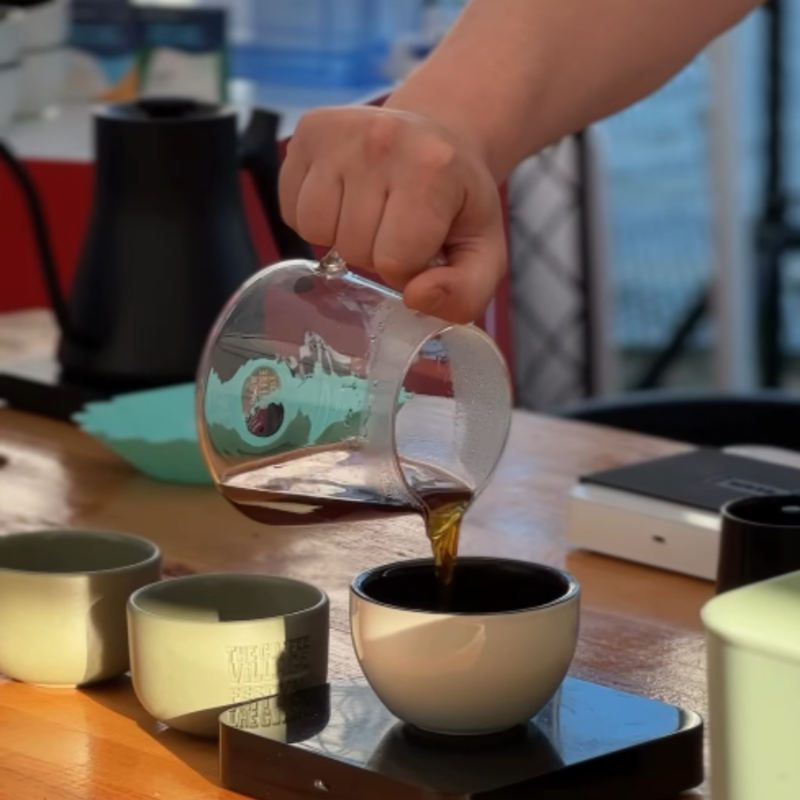
I paired it with Sibarist Hybrid filters, somewhere between a V60 and a flat‑bottom filter, and added a 25 mm Sibarist Booster to slow drawdown and increase contact time.
This setup let me do something counterintuitive.
The Decision That Felt Wrong (But Worked): Grinding Coarse
When you don’t know the coffee, you don’t know its solubility.
A natural anaerobic can behave wildly differently from a washed Ethiopian. A more developed roast can extract faster than a lightly developed one.
Starting fine felt risky.
So I went coarse. Very coarse.
And I let the brewer compensate.
The Booster slowed the drawdown.
The immersion phases gave me extraction stability.
The coarse grind protected me from over‑extraction.
I used my old and reliable Kinu M47, set at 40 on the scale — about 28–30 clicks on a Comandante. It’s the grinder I take when I travel, use at the office, and rely on whenever I don’t have access to an electric grinder.
It felt strange at first. Then it felt right.
The Recipe
I started with:
14 g coffee / 210 g water
Three cycles of:
- 45 seconds immersion
- 15 seconds drawdown
Stopped at 3:00.
Eventually, I realised I needed more water, so the final recipe became:
16 g coffee / 240 g water
Extraction stopped at 3:00 using the Switch.
Yield: 170–180 g in the cup, depending on solubility.
Simple on paper.
Hard to make repeatable.
Training for a Coffee I Wouldn’t Taste
I prepared for weeks. But before tasting dozens of coffees, I focused on everything except flavour:
- water composition
- temperature
- pouring rhythm
- timing
- kettle placement
- muscle memory
I kept the water at 89–90°C.
I timed the moment I lifted the kettle from the hot plate.
I repeated the same motions again and again.
The goal wasn’t to make every brew identical.
The goal was to make my actions identical.
So when something changed in the cup, I knew it came from the coffee — not from me.
More Than 50 Coffees Later
I practiced with coffees from Barshaker, Ristretto, CoffeeCUP and others — washed, naturals, anaerobics, different roast levels, different solubilities.
More than 50 lots.
The ones that challenged me most?
Ethiopian naturals with more developed roasts.
They pushed the system to its limits.
But that was the point.
I wasn’t building the perfect recipe for one coffee.
I was building a recipe that was good enough for many coffees.
Competition Day
Seven minutes of practice time.
50 grams of the competition coffee.
Enough to brew, taste, adjust.
But I didn’t taste it.
By then, I had tested the system across so many coffees that tasting a new one for a few seconds felt irrelevant. My process was built for this exact moment.
So I spent the seven minutes heating the brewer, grinding the coffee, and preparing everything exactly as I had practiced.
No last‑minute changes. No guessing. No panic. Just trust the work.
And when the judges tasted the final cup, the system did what it was designed to do: respond gracefully to the unknown.
The Lesson I’m Taking Home
The Nuamos Cup taught me something I didn’t expect:
In a blind brewing competition, you can’t control the coffee. You can only control your response to it.
Brewing isn’t always about chasing the perfect recipe.
Sometimes it’s about building a system strong enough to handle imperfect information — and trusting it when it matters.
I’m proud this system brought home the trophy.
But what makes me even happier is knowing that it confirmed the philosophy behind Future Classic Coffees – the direction we’ve been building at Kintsu all along.
Grateful for everything,
Alex.