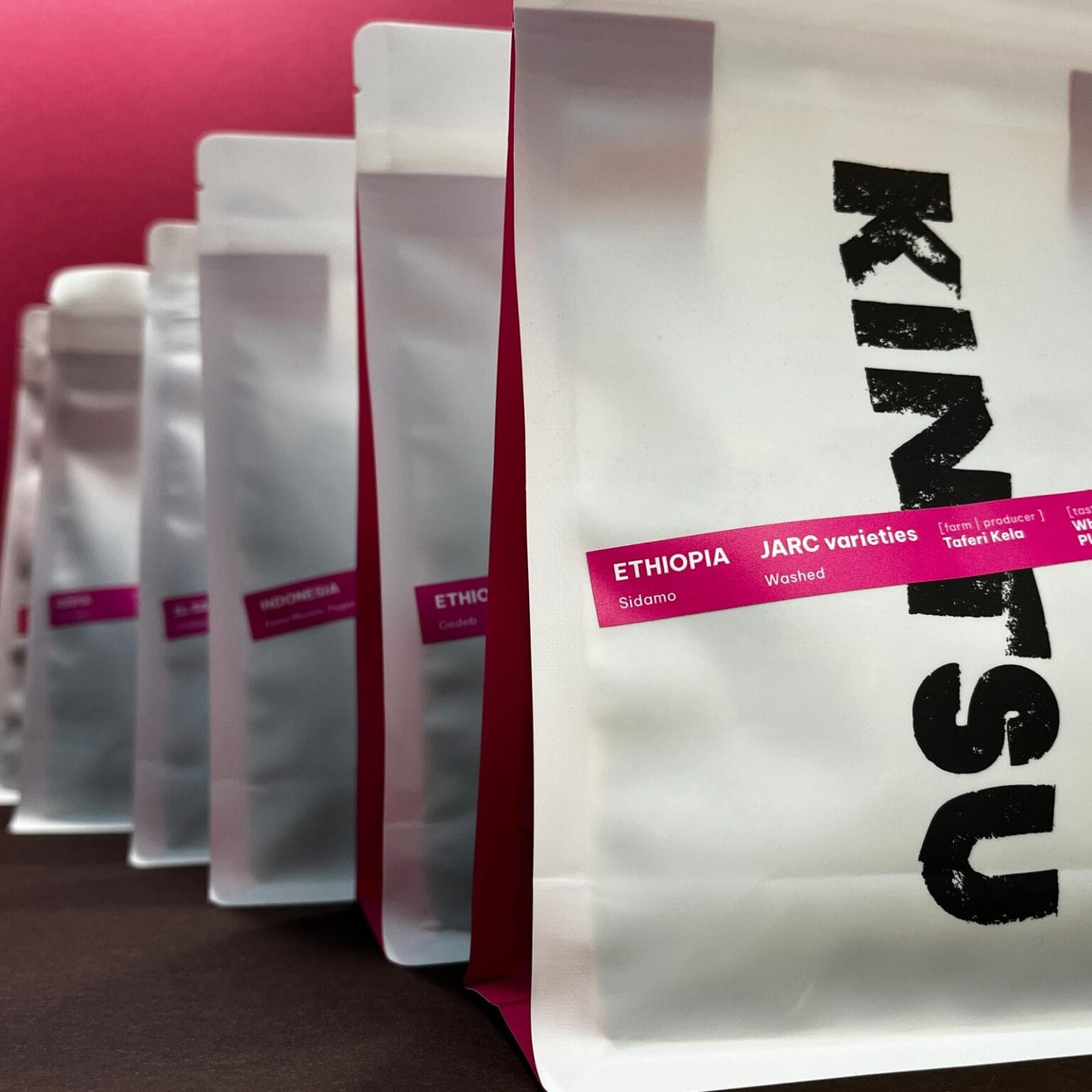
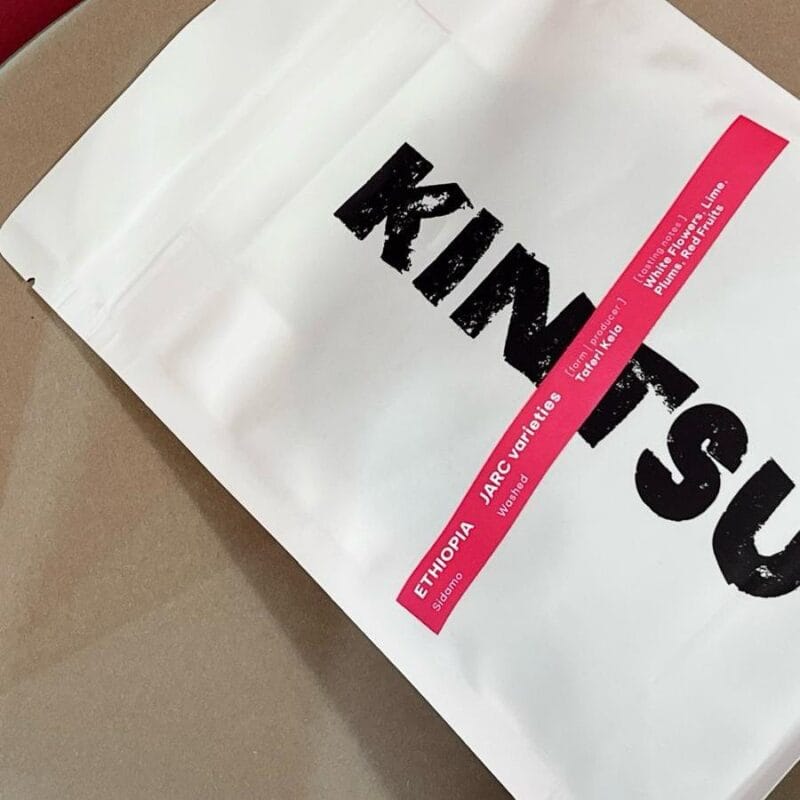
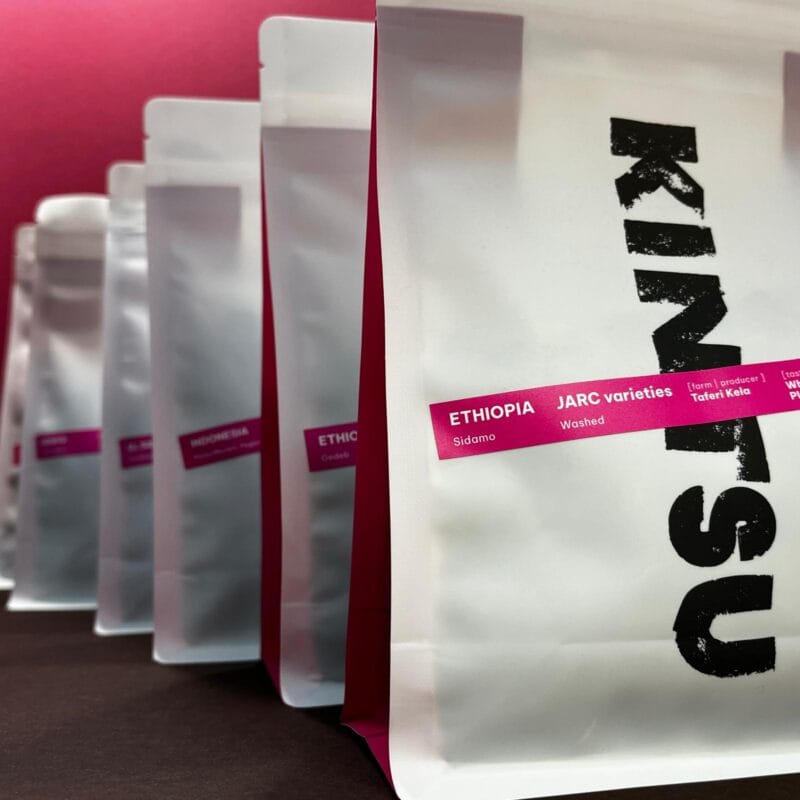
In a world full of coffees trying to impress with experimental processing and bold, unusual flavor notes, Ethiopia Taferi Kela takes a different path. It’s a quiet, bright, and clean cup, with notes of white flowers, lime, plum, and red fruits. It doesn’t try to be anything other than what it is: an honest expression of its origin and of the people who grow it.
What makes it different from other Ethiopian coffees
While many Ethiopian coffees are sold under the broad and vague label “heirloom,” the farmers in Taferi Kela choose to cultivate and process JARC varieties separately — officially identified and catalogued cultivars. This gives the coffee real traceability and a clear identity in the cup.
JARC varieties: local selections, not hybrids
In the 1970s, researchers at the Jimma Agricultural Research Center selected wild coffee trees that showed resistance to Coffee Berry Disease. This is how varieties 74110, 74112, and 74158 were born. These are local landrace selections, naturally adapted to the Ethiopian environment. Each has its own character: 74110 is floral and juicy, while 74158 brings notes of blueberry and hibiscus.
The impact of Bette Buna in Taferi Kela
Although coffee is essential to Ethiopia’s economy, most farmers earn very little. Bette Buna is working to change this through practical, long‑term initiatives: rebuilding soil health, training farmers, promoting the picking of fully ripe cherries, and distributing more than 350,000 climate‑adapted seedlings every year. A single mature seedling can bring a farmer at least $2 per year, creating meaningful economic impact in a region where household incomes are extremely low.

Washed processing, done with care
The coffee is depulped, fermented for 24–36 hours in water‑filled concrete tanks, then washed and slowly dried on raised beds. Each lot is processed separately, allowing for a level of traceability that is still uncommon in Ethiopia.
A community that works as a team
Bette Buna employs people with disabilities, single mothers, and individuals who would otherwise have limited access to stable work. Traceability is complete: they document who picked, processed, and sorted the coffee. It’s a model of ethical production built patiently, over time.
Why it’s worth trying
Ethiopia Taferi Kela is a straightforward, well‑crafted coffee with a clear identity and a real social impact. It doesn’t rely on flashy processing or exaggerated tasting notes. Instead, it offers consistency, transparency, and an elegant flavor profile that reflects the place it comes from.